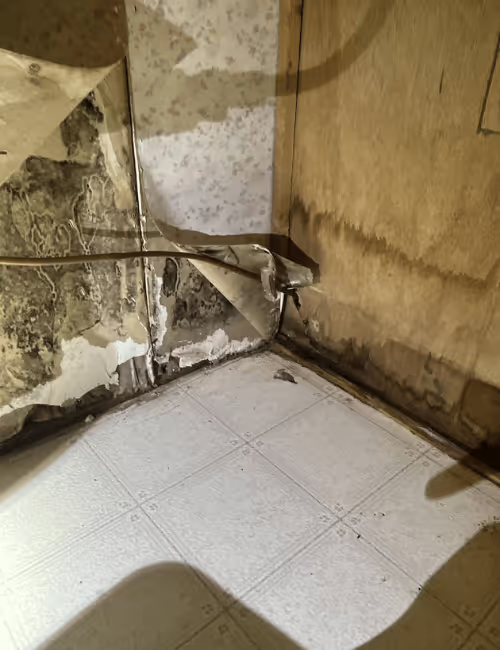
Mold does not need much time once moisture is present. A roof leak, damp basement, plumbing issue, or ventilation problem can leave enough moisture behind for growth to spread into drywall, wood, insulation, and other building materials. If you see visible mold, smell a musty odor, or recently had water damage, First Call Restoration provides licensed mold remediation in Poughkeepsie, NY, and throughout the Hudson Valley for homes, rental properties, commercial buildings, and real estate transactions.
Our team brings more than 20 years of restoration experience to mold work. We inspect the affected area, explain what New York State requires, set up containment, remove contaminated materials, clean the affected surfaces, and help you keep the same issue from coming back. When your property needs professional mold removal, we make the process clear from the first call through final cleanup.
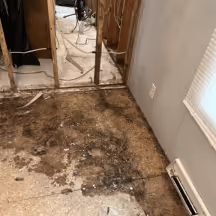
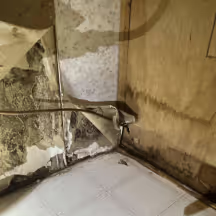
A major flood is not the only way mold starts. In the Hudson Valley, we often see mold after roof leaks, pipe leaks, sump pump failures, wet basements, attic ventilation problems, bathroom humidity, or condensation around windows and exterior walls. Once materials stay damp, mold can begin forming colonies within 24 to 48 hours.
Call a professional mold remediation company if you notice any of these signs:
The first priority is finding the moisture source. Removing visible mold without fixing the leak, humidity, or ventilation problem only buys time. First Call Restoration looks at both the contamination and the conditions that caused it, so the remediation plan solves the real problem.
Financing Options Available
Explore flexible home improvement financing options through our trusted partner, Wisetack.
Hi, I’m Mike, owner and Council Certified Mold Hygienist. As a leader in mold industry, I wanted to give you a brief explanation of mold and what to expect during residential or commercial mold remediation.
Fungi and mold are a major cause of indoor air quality (IAQ) problems because of exposure to fungal and mold parts that can cause allergic reactions in many people. Mold sensitivity varies from person to person. Those more sensitive are children, the elderly and those with compromised immune systems. Some molds give off toxins called mycotoxins, some of them can actually cause cancer. Mycotoxins are poisonous substances produced by mold. They can be toxic for humans when they are eaten, absorbed into the skin, or inhaled. Poisoning by mycotoxins is called mycotoxicosis.
The health effects of mold are generally categorized into four groups.
Moldy odors, these odors come from volatile organic compounds produced by mold. It can irritate mucous membranes and cause headaches and other symptoms.
Typically the most common health problems. Symptoms include respiratory problems with difficulty breathing, nasal and sinus congestion, burning / watery or reddened eyes, dry hacking cough, nose and throat irritation, shortness of breath, skin irritation, headaches, memory problems, mood changes, aches, pains, and possible fever.
There are an estimated 200 species of mold known to cause infections in humans, and immune-suppressed individuals who are especially at risk. Infections can be localized or systemic. Some fungi can affect hair, skin, and nails. Aspergillosis is a common fungal infection requiring hospitalization.
Many species of mold produce toxic metabolites called mycotoxins, which are believed to be most prevalent in spores. Mycotoxins have caused nerve damage, organ damage, and cancer. Symptoms of toxicosis from mold include cold and flu-like symptoms, headaches, nosebleeds, memory problems, fatigue, dermatitis, and immune suppression.
You don’t have to have a flood to develop a mold issue. It can be caused by condensation or a high relative humidity (RH). So what’s condensation? It can be the frost or wet windows (on the INSIDE). It can be wet walls in the bathroom after taking a shower. That’s why you need to run the bathroom fan.
Mold can also develop from high humidity (RH), whether it be from a hot humid summer days or a damp basement. You don’t want an RH that is near 60%. An alarm should sound in your head if the RH is at 60% or above.
Mold is everywhere, outside and inside our homes and workspace. As building structures breath they circulate the mold spores. Air currents and HVAC systems also add to the movement of spores. Mold spores are always present, it just needs a few more ingredients to grow. The recipe is as follows: moisture, food source and a dark cozy place. Its food source is easy to find. Carpet backing, drywall, cardboard, and wood are just of the appetizing item to mold spores. Now to finish the recipe, add moisture or water. Once conditions are right, spores can germinate within 12 hours, colonies can begin to form within 24 hours. Spores can be produced within 48-72 hours.
It’s important to know that if the moisture / water issue isn’t corrected mold will continue to grow. Left untreated mold has a “stacking affect.” Meaning the spores build up and move upward. For example, if a basement has enough mold, it is very likely the spores will travel to the main level. Again, air currents and HVAC systems aid in the movement of spores. They may not be visible yet on the main level yet but if an air test was done it would show an increased number of spores compared to outside.
Mold remediation in New York has specific rules. If the affected area is more than 10 square feet, New York State requires a licensed Mold Assessor to inspect the property and write a remediation plan before work begins. The assessor identifies the affected areas, documents the scope of work, and sets the clearance criteria that must be met after the project is complete.
The remediation contractor cannot legally perform both the mold assessment and the remediation on the same project. That separation protects you. The assessor creates the plan and verifies the work; the remediation company carries it out.
First Call Restoration follows New York State mold rules carefully. We can provide a free estimate for the remediation work, explain what type of assessment may be needed, coordinate with your licensed Mold Assessor, and complete the work according to the written protocol. If your mold problem is smaller than 10 square feet, we can still help you decide the safest next step based on the location, material, moisture source, and risk of spread.
Our mission is to take an overwhelming event and turn it into a positive experience with knowledge, professionalism, and compassion.
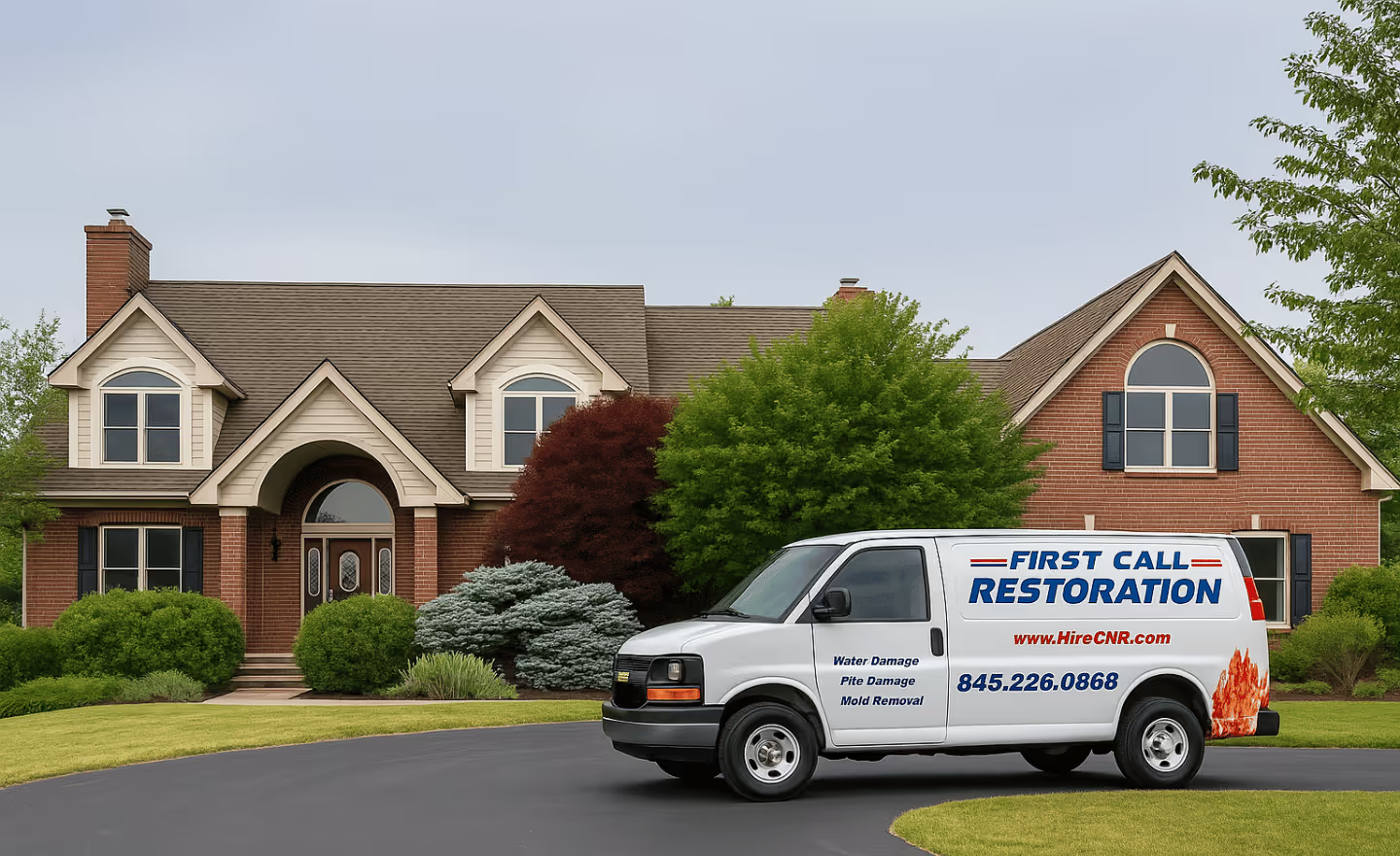
Step 1: Inspection and moisture source review. We inspect the visible damage, look for signs of hidden moisture, and ask about recent leaks, humidity problems, roof issues, plumbing failures, basement seepage, or ventilation concerns. If New York State requires an independent mold assessment, we explain that before remediation begins.
Step 2: Remediation plan and estimate. For projects over 10 square feet, the licensed Mold Assessor provides the protocol. First Call Restoration uses that plan to prepare a clear estimate for the remediation work. For smaller projects, we explain the recommended scope based on what we find on-site.
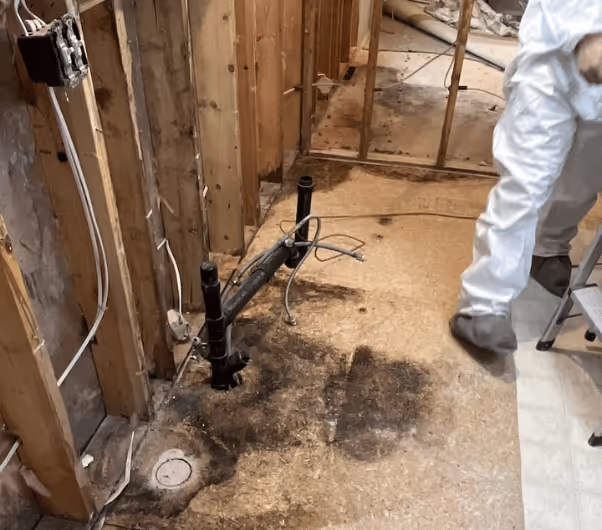
Step 3: Containment and negative air setup. Before removal begins, we isolate the affected area with containment barriers. We use air filtration or negative air pressure equipment to help keep spores from spreading into clean areas during remediation.
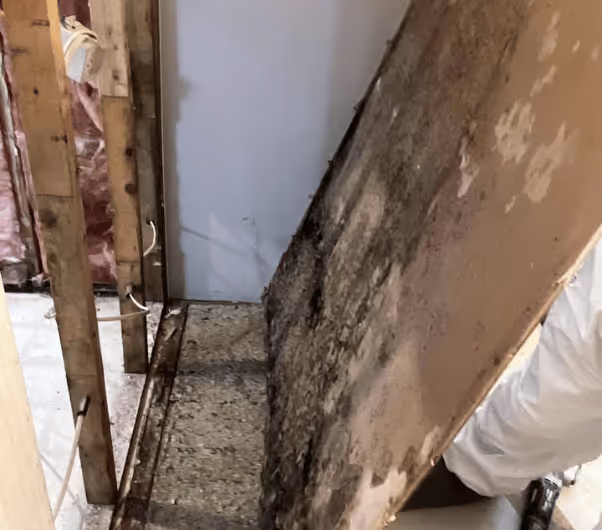
Step 4: Safe removal of contaminated materials. Mold-damaged materials that cannot be cleaned safely are removed and disposed of properly. Depending on the project, this may include sections of drywall, insulation, carpet, trim, cabinets, or other porous materials.
Step 5: HEPA vacuuming, cleaning, and treatment. After removal, our team cleans the affected surfaces with professional methods such as HEPA vacuuming, damp wiping, and antimicrobial treatment when appropriate. The goal is to remove contamination from the structure, not simply cover it up.
Step 6: Drying and moisture control. Mold will return if the moisture problem remains. We identify moisture concerns that need correction and may use drying equipment where needed. We also explain prevention steps such as dehumidification, ventilation, leak repair, drainage correction, or ongoing humidity monitoring.
Step 7: Clearance and restoration. When required, the independent Mold Assessor performs post-remediation clearance testing. Once the affected area passes clearance, First Call Restoration can help restore damaged materials so the property is clean, safe, and usable again.

"First call restoration came out and evaluate the damage the same day we called. What a good group of hardworking men!"

"First Call Restoration really should be your first call! Gary and his team were top-notch. Super professional, friendly and helpful."

"They did an outstanding job and we would definitely use their services again. Highly recommended."

"Great experience so far with this company! Everyone I dealt with along the way was so friendly and helpful."

"Mike and his team were exceptional. They were very compassionate, informative and professional."

"Everyone, especially Gary went out of their way to make sure we were as pleased as possible with the work that was done."

"We had such a great experience working with First Call Restoration. Thank you for helping us navigate our stressful situation."

"They helped make a terrible water damage situation manageable for me and my family."
First Call Restoration identifies the extent of the mold damage using training and equipment. We can locate and effectively tackle all cases of mold.
First Call Restoration’s safety measures during mold mitigation stringently adhere to the industry’s safety protocols to safeguard your property during the removal process. We wear protective clothing and equipment so as to not spread more spores. We also seal and section off any part of your home that has mold during the removal process to contain and remove all of the damage.
Yes, First Call Restoration’s mold removal can help prevent future mold issues. For example, some measures may include:
The mold removal and mitigation process takes one to seven days, depending on the extent of the infestation and the severity of the overall property damage.
First Call Restoration mold removal service caters to residential and commercial properties. If you’d like to explore the options, please call us to schedule services in the Hudson Valley!
If the affected mold area is more than 10 square feet, New York State requires a licensed Mold Assessor to inspect the property and write a remediation plan before remediation begins. The remediation contractor cannot legally perform both roles on the same project. First Call Restoration can explain the process, provide a remediation estimate, and complete the work according to the assessor's written protocol.
The cost depends on the size of the affected area, the materials involved, the location of the mold, containment needs, and whether the moisture source has to be corrected. A small isolated area may be straightforward, while attic, basement, crawl space, or multi-room remediation can cost more. First Call Restoration provides a clear estimate before work begins, and financing is available through Wisetack.
Yes, mold can come back if the moisture source is not corrected. Professional remediation should address both the contamination and the condition that caused it, such as a leak, high humidity, poor ventilation, condensation, or past water damage. First Call Restoration helps identify those moisture concerns and explains the prevention steps needed after cleanup.
Coverage depends on your policy and the cause of the mold. Mold connected to a sudden covered water damage event may be handled differently than mold caused by long-term humidity, maintenance issues, or an old leak. First Call Restoration works with insurance companies regularly and can help document the damage, but your carrier determines what is covered.
It depends on the location and severity of the mold problem. Professional containment, air filtration, personal protective equipment, and safe removal procedures help reduce the risk of spreading spores during remediation. For larger projects, sensitive occupants, or commercial properties, temporary relocation from the affected area may be recommended until the work and clearance process are complete.
Avoid disturbing the mold, scrubbing it aggressively, or running fans directly on the affected area. That can spread spores. If there is an active leak, stop the water source if you can do so safely. Take photos, keep people away from the affected area, and call First Call Restoration so we can help you understand the safest next step.